
Why Building in the Mountains Isn’t Like Building on Flatland
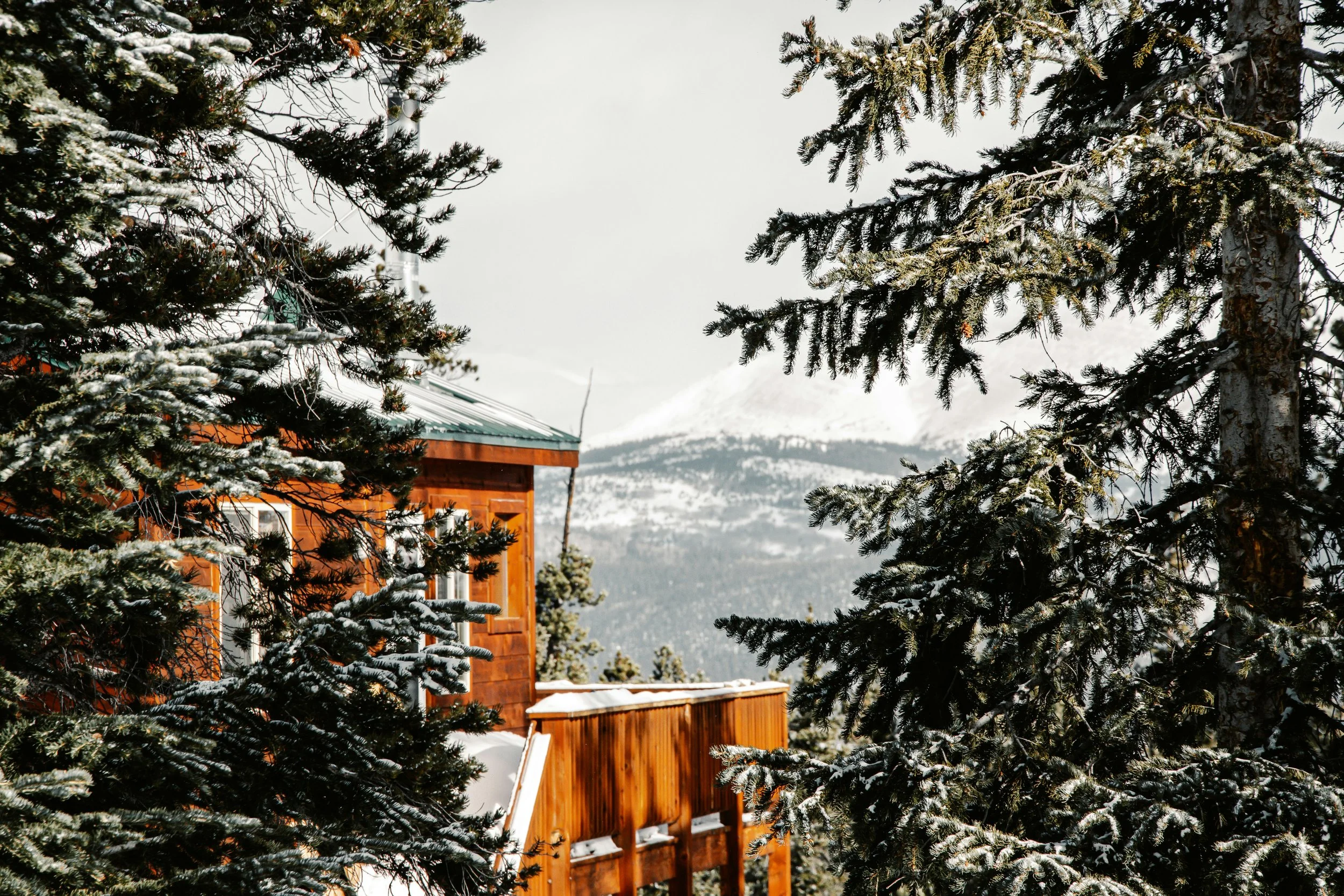
Building a home in the mountains isn’t just a change of address — it’s an entirely different process with its own rules, materials, and technical demands. At Studio Lea, we’ve Learned that designing at elevation means anticipating extreme weather, adapting to unique terrain, and thinking several steps ahead. For clients considering a mountain build or renovation, understanding these differences upfront helps protect your investment and ensures your dream retreat is as resilient as it is beautiful.
Weather Shapes Every Design Decision
Mountain climates can feel unpredictable — sunny mornings can turn into afternoon storms; winter snow arrives early and lingers long past spring. This volatility influences everything from roof pitch to exterior finishes. Steeper roofs shed snow more efficiently, reducing weight and ice buildup. Deeper overhangs protect siding from moisture while keeping summer sun in check. Even simple details like door placement or entry vestibules help maintain comfort when the outdoors shifts in an instant.
We also address temperature swings that can exceed 40 degrees in a single day. Materials expand and contract more than they do at sea level, which is why we avoid finishes prone to cracking or warping and specify fasteners designed for thermal movement. These small decisions add up to homes that stay tight and secure no matter the season.
Terrain and Structural Complexity
Flatland sites are predictable — dig, pour, build. Mountain sites are rarely that straightforward. Slopes demand specialized foundations, drainage plans, and retaining solutions to prevent erosion. Soils can vary dramatically within a single lot, affecting how we anchor structures and manage water flow. Even access for construction equipment can require creative staging and collaboration with skilled local contractors.
Inside, this complexity continues. Split-level layouts, cantilevered decks, and stepped foundations all impact space planning. Our experience helps us work with, rather than against, the land — turning topographical challenges into stunning, functional design features.

Environmental Pressures and Sustainability
Mountain living often comes with a stronger sense of environmental stewardship. Clients want homes that stand lightly on the land while withstanding its demands. High winds, wildfire risk, and freeze-thaw cycles require finishes and assemblies that last. We recommend exterior materials like fiber cement, steel, or stone that handle temperature extremes and fire concerns without sacrificing beauty.
Insulation and energy efficiency also look different at altitude. High-performance windows and continuous thermal breaks keep interiors comfortable without overloading mechanical systems. Passive solar strategies — like strategic window placement and thermal mass flooring — help reduce long-term energy use while maintaining breathtaking views.
Planning for Remote Realities
Living in the mountains means fewer services and longer Lead times. Snow removal, well and septic systems, and power access all shape early design choices. We advise clients to plan for self-sufficiency where needed, integrating backup power sources, storage space, and durable finishes that can handle seasonal closures or slower supply chains.
Vendor selection is equally important. A contractor unfamiliar with mountain construction may underestimate the impact of weather delays, road closures, or specialized equipment. Studio Lea works with vetted partners who understand the challenges and deliver exceptional quality in these environments.
Why Experience at Altitude Matters
Mountain builds reward foresight and punish shortcuts. A home that thrives at 8,000 feet must be more than beautiful; it has to respond to nature, protect its owners, and endure for decades. At Studio Lea, our process is grounded in lived experience — designing and executing homes that merge elegance with resilience. We help clients dream big while navigating the realities of mountain construction, so the final result is more than a house — it’s a sanctuary perfectly adapted to its wild and beautiful setting.
